


When planning an event, choosing the venue is always one of the most important and costly decisions. Venue rental costs can account for a significant portion of the total budget, and inaccurate estimation may lead to substantial unexpected expenses. To help you manage your budget effectively, V-Lead Event will guide you through the key factors that determine the cost of renting an event venue.
1. Why estimating venue rental costs accurately matters
Accurately estimating venue rental costs offers numerous practical benefits for your business, helping you plan effectively and avoid unexpected expenses.

– Ensure overall budget control: Venue rental is often one of the largest expenses for an event. By accurately estimating this cost, you can allocate the budget effectively for other items such as sound, lighting, decoration, and catering, helping you manage the overall event budget efficiently.
– Match event goals and scale: Estimating venue rental costs helps you identify spaces suitable for the number of guests and the type of event. A small event with a limited budget cannot be held at a large convention center, and vice versa. This prevents wasting time on impractical options.
– Avoid hidden fees and unexpected costs: Many venues have hidden charges or additional fees not clearly stated upfront. Careful estimation and clarification of these costs will help you avoid financial surprises. A professional event organizer can assist in identifying and managing these details.
2. Key factors affecting event venue rental costs
To understand how venue rental costs are determined, you should consider the following main factors:
2.1 Location and type of venue
– City center vs. suburban locations: Venues located in city centers (e.g., Hoàn Kiếm or Ba Đình in Hanoi, Districts 1 and 3 in Ho Chi Minh City) typically have significantly higher rental costs compared to suburban areas or nearby provinces.
However, central locations offer greater convenience for guest transportation. You need to balance cost with convenience.
– Hotels, convention centers, or outdoor spaces:
4- and 5-star hotels and convention centers usually charge higher rental fees but provide professional, full-service facilities, including sound, lighting, and catering.
Outdoor spaces (parks, beaches, rooftops) may have lower base rental fees, but additional costs often arise for stage setup, canopies, electricity, water, and auxiliary equipment.
– Capacity and existing amenities:
Venues with large capacities, unique designs, or modern facilities generally have higher rental costs.
Some venues already include sound systems, lighting, and seating, which can help reduce expenses for renting separate equipment.
2.2 Timing and rental duration
– Peak vs. off-peak seasons:
The end-of-year months (November, December), wedding season, and holidays are considered peak periods for the event industry. Venue rental costs during these times can increase by 15–30% or even more due to high demand.
Conversely, organizing events in the off-peak season offers more options and better negotiation opportunities.
– Weekdays vs. weekends: Rental costs are generally higher on weekends (Saturday and Sunday) compared to weekdays (Monday to Friday).
– Hourly, half-day, or full-day rental: Most venues offer rental by session (morning, afternoon, evening) or by full day. You should determine the exact time needed to choose the appropriate rental package. Hourly rates are usually only available for smaller, simpler spaces.
2.3 Service package (All-inclusive vs. A la carte)
Many venues offer all-inclusive packages that cover the space, catering, basic sound, and lighting. Choosing an all-inclusive package can be more convenient and cost-effective than renting each item separately.
However, if you want more options and greater control over quality, renting each service separately from external providers may be more suitable.
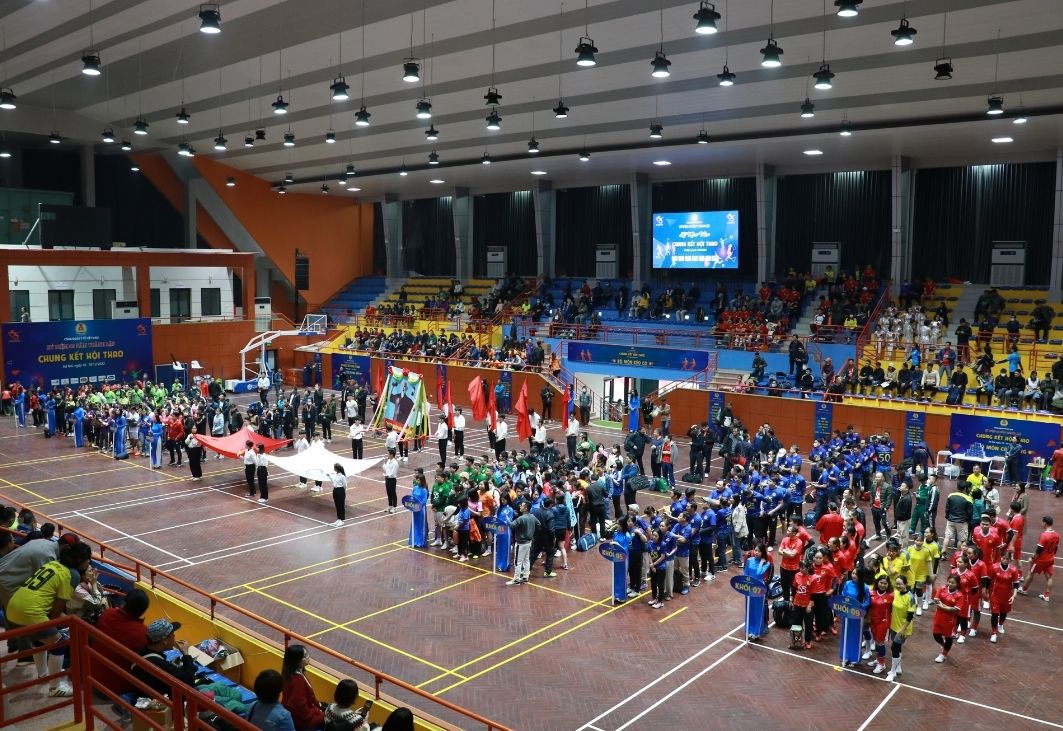
– Existing sound, lighting, and LED screens:
Check the quality and capacity of the equipment available on-site. If they meet the event’s requirements, you can save a significant amount on venue rental costs.
If not, you will need to rent external equipment, which is an additional expense to consider.
– Catering services: Some venues require you to use their in-house catering. Others allow outside catering but may charge an additional fee.
2.4 Venue policies and additional fees
– Overtime fees: Venues often have strict event end times. Extending beyond this period will incur additional charges.
– Corkage fees: If you bring your own beverages (alcohol, soft drinks, etc.), the venue may charge a service fee.
– Deposit and cancellation Policies: Carefully review deposit terms, cancellation rules, and penalties to avoid unnecessary financial losses.
– External vendor restrictions: Some venues may limit or prohibit the use of outside vendors (for sound, lighting, decoration). This can impact event quality and creativity if your event organizer is not familiar with the venue’s requirements.
3. Ways to optimize event venue rental costs
To manage venue rental expenses smartly, consider applying the following tips:
3.1 Clearly define your needs from the start
Before contacting venues, determine the number of guests, type of event, required equipment, and your estimated budget.
This allows you to communicate directly and efficiently with providers, avoiding time wasted on unsuitable venues.
3.2 Choose flexible timing and locations
If possible, schedule your event on weekdays or during the off-peak season to secure better rental rates.
Consider lesser-known venues that still meet your criteria. A new, unique venue can create a strong impression without high costs.
3.3 Take Advantage of all-inclusive packages
When evaluating venue rental costs, ask about all-inclusive packages that cover space, catering, and equipment.
All-inclusive packages can help reduce costs and simplify management by avoiding coordination with multiple vendors.
3.4 Negotiate and build relationships
Always negotiate rental fees, included services, or other incentives. Building a good relationship with the venue can lead to better deals and added value.

If you plan to host recurring events at a venue, discuss long-term partnership options to secure preferential rates.
A professional event organizer has better negotiation experience and can help you obtain the best rental price.
3.5 Partner with a professional event organizer
A reputable event organizer has an extensive network of partners, giving you access to a wide range of venues at competitive prices and exclusive service packages.
They understand potential additional costs, know how to negotiate contracts, and can provide creative solutions to optimize your venue rental expenses.
Estimating and optimizing venue rental costs requires in-depth market knowledge and negotiation experience. To turn this challenge into an advantage, you need a professional, dedicated, and capable partner.
V-Lead Event, with its expertise and professionalism, is committed to providing high-quality event services at reasonable costs. If you need assistance with venue rental or want advice on event organization services, don’t hesitate to contact us for the best support.