

To organize a successful event, detailed planning is the key. The 5W1H model emerges as an effective tool that helps event planners clearly define every aspect of an event. So, what is 5W1H in event management, and how is it applied in practice? Let’s explore the details together with V-Lead Event in this article!
1. Understanding 5W1H in Event Management – The Key to Success
In the event planning process, asking the right questions is the foundation that ensures everything stays on the right track. The 5W1H framework includes:
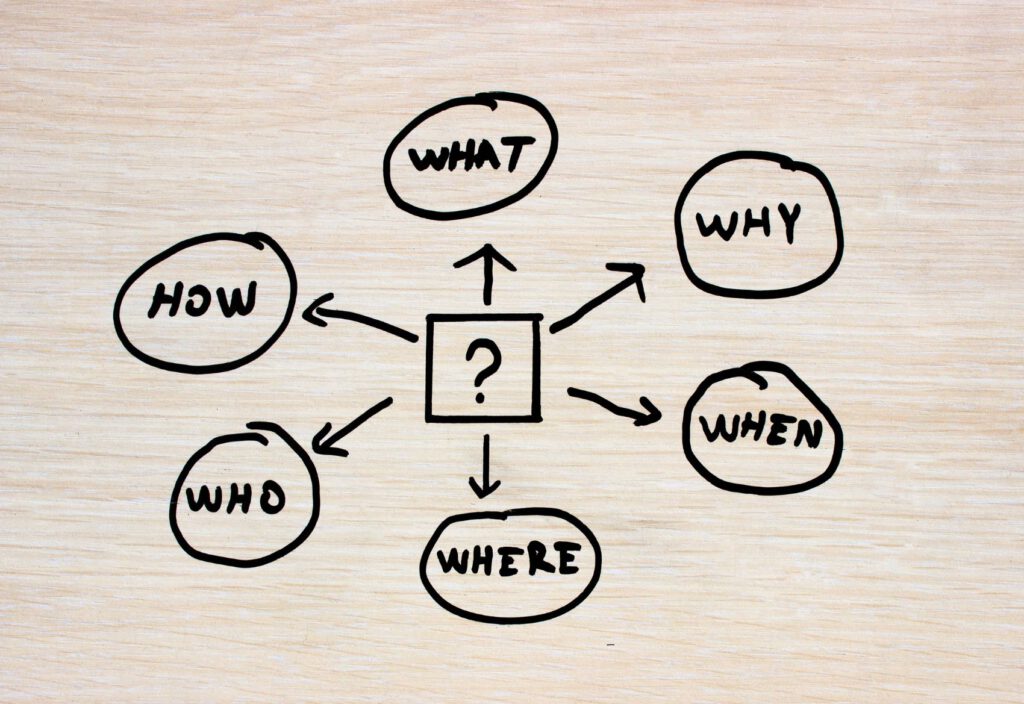
Who – Who are the main participants or stakeholders involved?
What – What are the content, objectives, and key messages to be delivered?
When – When will the event take place, and what is the most suitable timing?
Where – Where is the most appropriate and convenient venue?
Why – Why is this event being organized?
How – How will the event be executed? What methods and processes will be used?
Applying the 5W1H framework correctly in event management helps minimize risks, optimize resources, and ensure consistency throughout the entire implementation process. Before getting started, envision yourself as a manager or coordinator who continuously asks and clearly answers each of these questions.
By analyzing each component in detail, you can more easily define objectives, estimate budgets, allocate tasks, and control progress—thereby ensuring the event runs smoothly and achieves the highest possible effectiveness.
2. Detailed Analysis of the 5W1H Elements – Optimizing Event Planning
In this section, we will take a deeper look at each element of the 5W1H model, helping you gain a more systematic perspective when developing an event planning strategy.
2.1 Who – Key Participants and Core Personnel
The purpose of this question is to clearly identify who will participate in the event, who will organize it, and who will support or oversee the event’s execution. Understanding the target audience helps tailor the content appropriately, select suitable venues, and design engaging activities.
Participants may include potential customers, partners, internal staff, or the wider community. It is essential to clearly distinguish between these groups in order to develop appropriate engagement strategies and communication plans. In addition, identifying key persons in charge helps assign responsibilities clearly and prevents task overlap or omissions.
Benefits of defining “Who” in event management:
– Accurately understanding the needs and expectations of each guest group.
– Optimizing human resources and avoiding unnecessary waste.
– Enhancing interaction and building long-term relationships.
2.2 What – Event Content and Objectives
Content is the core of any event. You need to clearly define the message and objectives you want to convey in order to develop appropriate, creative, and impactful content that delivers real value to participants.

For example, if you are organizing an industry seminar, the content should focus on updating the latest trends, sharing experiences, and presenting successful models. In contrast, entertainment-oriented events require creative content that evokes emotions and fosters community connection.
Benefits of clearly defining the content:
– Providing clear direction for all event activities.
– Saving time and avoiding unnecessary digressions.
– Encouraging creativity and uniqueness in the program.
2.3 When – Choosing the Right Timing for the Event
Timing has a significant impact on the success of an event. If the timing is not appropriate, the event may be overlooked or fail to achieve the desired results. Key factors to consider include:
– Seasonality and weather conditions
– The schedule and availability of the target audience
– Competing events around the planned date
You should select the most suitable timing based on market research and the characteristics of your target audience. Clearly defining the event schedule also helps with better planning, timeline management, and resource allocation.
It is equally important to prepare contingency plans for unexpected situations, such as unpredictable weather or overlapping events. Choosing the right timing is a crucial factor in ensuring the overall success of the event.
2.4 Where – Choosing the Ideal Venue
Selecting the right venue is a decisive factor that directly affects guest experience and the overall effectiveness of the event. Key aspects to consider when choosing a venue include:
– A convenient and easy-to-find location
– A space that matches the scale and nature of the event
– Facilities and infrastructure that fully meet technical and operational requirements
In addition, the venue reflects the image and brand of the organization. A well-designed, professional venue creates a positive impression and enhances the event’s value.
You should also prepare backup plans for potential venue-related issues such as flooding, power outages, or other unexpected incidents. Asking the “Where” question helps you evaluate options carefully and make the best choice for a successful event.
2.5 Why – The Purpose of the Event
Clearly understanding the reason for organizing the event is a crucial step in shaping suitable ideas and content. Events can serve various purposes, such as enhancing brand awareness, boosting sales, building community connections, or sharing knowledge.
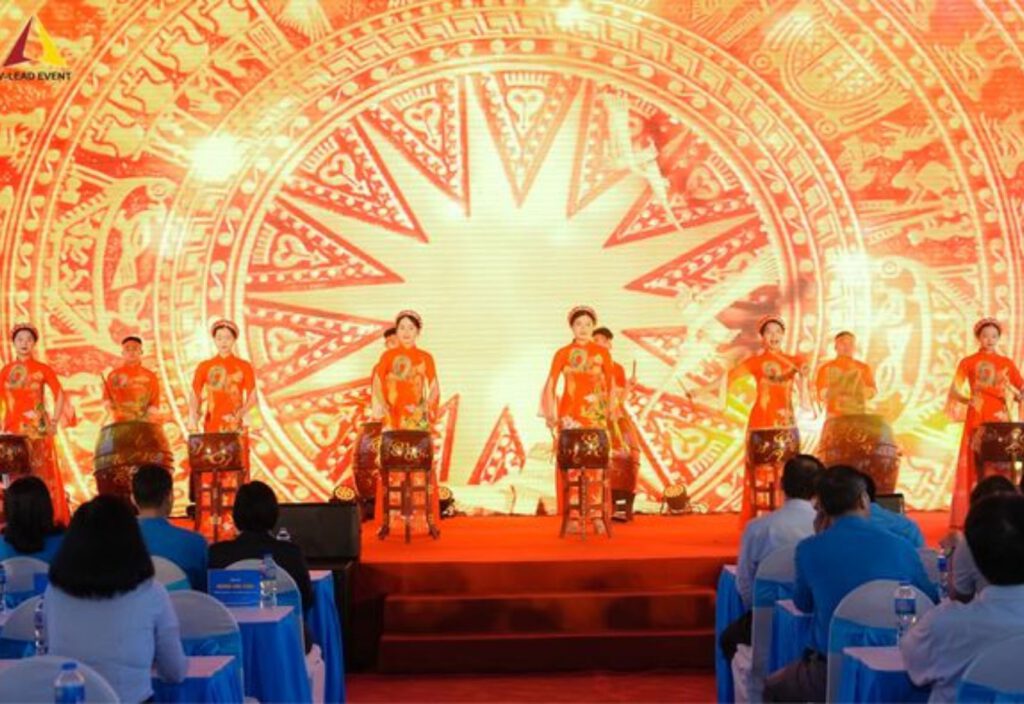
Clearly defining the reason helps the organizing team focus on the most appropriate activities while delivering the right message to the target audience. When the purpose is clear, the entire organization process remains aligned—from concept development to execution.
This also makes it easier to measure results after the event, evaluate effectiveness, and draw valuable lessons for future events.
2.6 How – Implementation Process and Methods
The “How” element focuses on how ideas and content are brought into reality. It includes preparation, execution, and post-event evaluation. Key aspects to consider when developing the implementation approach include:
– Creating a detailed plan with clear task assignments
– Selecting appropriate communication channels for promotion
– Managing budgets and resources efficiently
During implementation, maintaining flexibility and responding effectively to unexpected situations is essential. In addition, leveraging technology—such as event management software, livestreaming, or online interaction tools—can significantly enhance organizational efficiency.
By answering the “How” question, you can effectively control each step, anticipate risks, and ensure that all activities run smoothly and achieve the original objectives.
3. Practical Applications of 5W1H in Event Management – Elevating Your Strategy
When applying the 5W1H framework in event management, you are not merely answering questions—you are transforming them into concrete strategies tailored to different types of events. For example, a corporate conference will follow very different criteria compared to a music show or a community festival.
Think of each element in the 5W1H model as a puzzle piece within a larger picture, working in harmony to create a truly successful event. Below are some practical examples of how 5W1H can be applied:
– Identifying the target audience to design suitable content, then selecting appropriate communication channels such as email marketing, television, or social media.
– Choosing the right timing and venue to maximize reach and guest satisfaction.
– Clarifying the event’s purpose to focus resources on the most valuable activities.
– Developing a detailed step-by-step plan to ensure the event runs on schedule and with precision.
Through these examples, it is clear that 5W1H in event management is not just a thinking framework but a guiding principle that enables smooth operations, strategic depth, and high effectiveness throughout the entire event