

In today’s increasingly competitive market, organizing events for small and medium-sized enterprises (SMEs) is not only an opportunity to promote your brand, but also a powerful way to build internal culture, leave a lasting impression on clients and partners, and strengthen business relationships. However, many SMEs face challenges due to limited budgets and resources. In this article, V-Lead Event will guide you through five essential steps to plan a professional and effective event.
1. Define Clear Event Objectives
Before starting any preparation, you need to clearly answer the question: “What is the purpose of this event?
Defining your objectives and target audience serves as the foundation that guides every decision throughout the planning process.
1.1 Set SMART Goals for Your Event
The objectives of organizing an event for small and medium-sized enterprises should be Specific, Measurable, Achievable, Realistic, and Time-bound (SMART). For example:
– Objective: Launch a new product with 50 potential customers attending.
– Measurable goal: Generate 20 trial orders during the event.
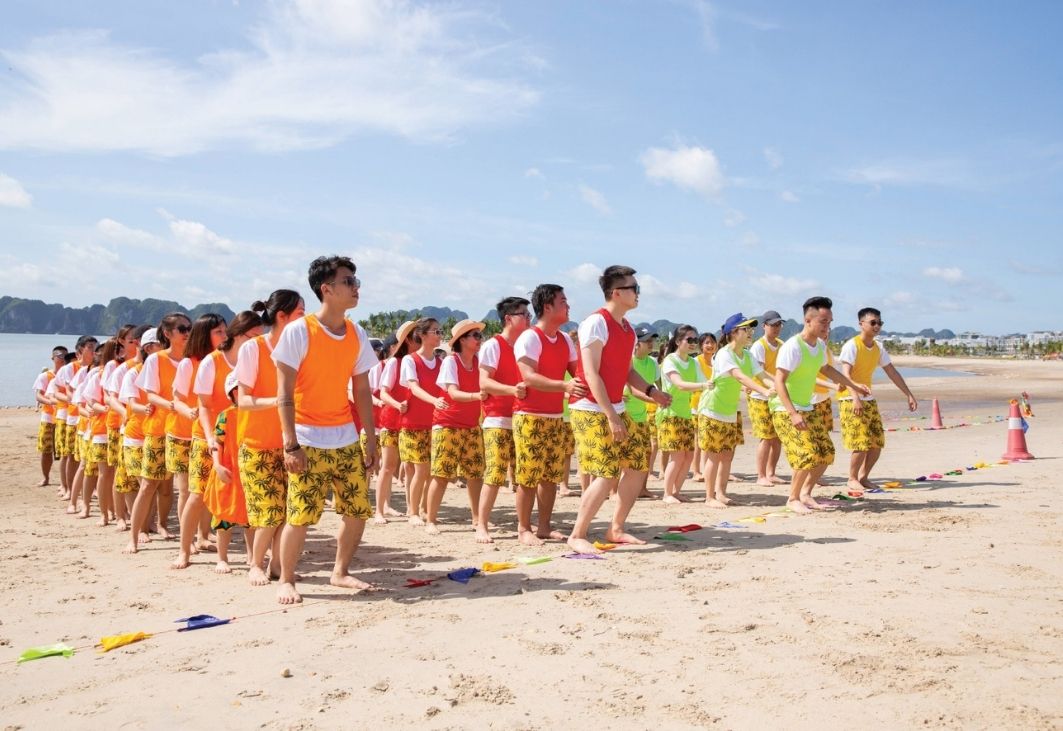
– Internal objective: Achieve full employee engagement through a year-end team-building activity
1.2 Analyze Your Guest Profile
Your audience will determine the event’s style, content, and timing. It’s essential to clearly define: Who they are (customers, partners, or employees), what they care about, and how they prefer to engage.
This analysis helps you design relevant content, avoiding wasted time and budget.
2. Develop a Budget Plan and Choose the Right Venue
For SMEs, cost optimization is always a top priority. A detailed budget plan and a well-chosen venue will help you manage financial resources effectively.
2.1 Create a Detailed Budget and Prepare for Risks
Your budget should be divided into specific categories: venue rental, equipment (sound, lighting), decoration, catering (F&B), manpower, and communication.
Always allocate at least 10–15% of your total budget as a contingency fund to handle unexpected expenses that may arise during the event planning process.
2.2 Choose an Optimal Venue
The venue doesn’t need to be luxurious, but it must meet three key criteria:
Convenient location – easily accessible and with parking space.
Appropriate capacity – not too large or too small for the expected number of guests.
Adequate facilities – audiovisual equipment and stable internet connection.
For SMEs, spaces such as coworking venues, small hotel conference rooms, or upscale restaurant function rooms are often ideal choices.
3. Develop a Creative Theme and Engaging Content
Every event needs a “soul” – its theme and content. The content keeps your guests engaged and delivers your brand message effectively.
Build a unique and compelling theme: Your theme should be consistent, distinctive, and closely aligned with your event objectives.
For instance, for a tech-related event, you might choose a theme like “The Digital Leap”. This theme will guide your overall design, color palette, and program flow, helping your SME event stand out with a clear identity.
Design an interactive and lively agenda: Balance between key content segments (presentations, speeches) and interactive activities (mini games, Q&A, networking). Avoid letting guests sit passively for too long.
A professional and charismatic MC is crucial to keeping the energy alive—especially for smaller, more intimate SME events.
4. Prepare Logistics and Staffing
This is the execution stage, requiring close coordination and strong management.
Assign clear responsibilities: Create a detailed checklist and appoint team leaders for each area:
Logistics & Technical: sound, lighting, and stage setup
Reception & Guest Welcome
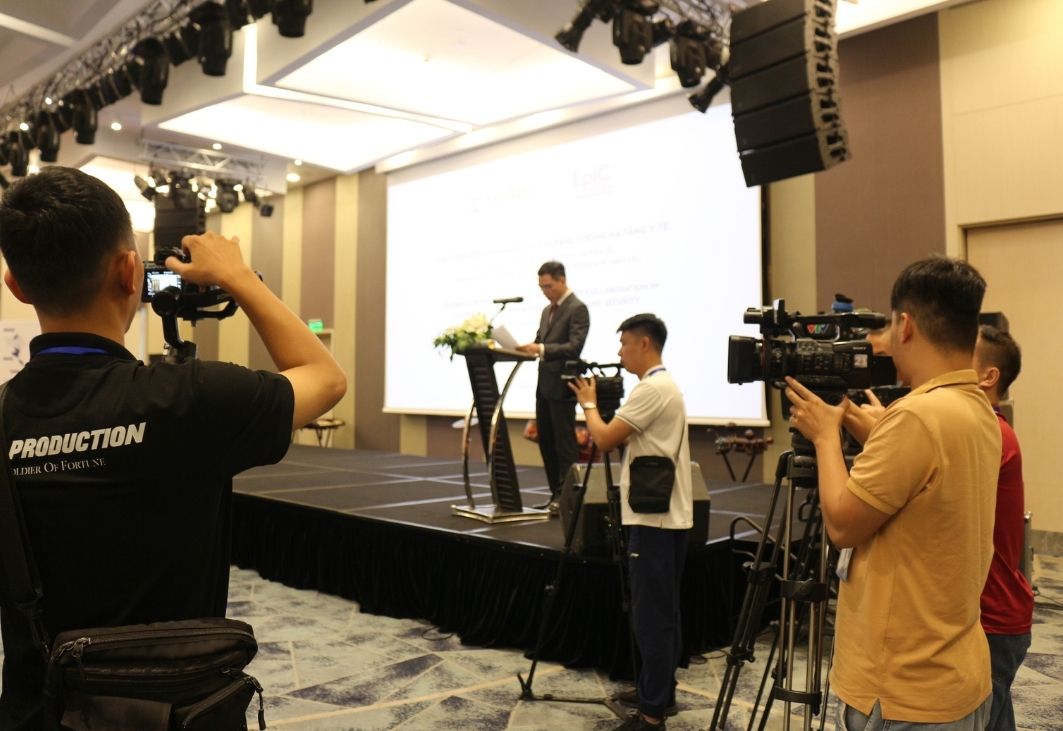
Media & Documentation: photography and video coverage
Each member should fully understand their role and have a backup plan in place.
Technical Rehearsal
Regardless of the event’s size, conducting a technical rehearsal is a must. Check all equipment thoroughly:
Is the microphone working properly? Are the presentation slides compatible? Is the internet connection stable?
Even a minor technical error can significantly reduce the overall professionalism of your event.
5. Post-Event Communication and Evaluation
The success of an event doesn’t end when guests leave—it lies in how effectively you communicate and measure the results afterward.
Maximize communication channels:
– Before the event, use Email Marketing and Zalo/Facebook Groups to send invitations and share updates.
– During the event, encourage guests to share on social media using a unique hashtag.
– After the event, promptly send thank-you messages, photos, and key highlights to maintain engagement and brand connection.
Measure and evaluate performance:
– Use quick survey tools like Google Forms or QR Codes right after the event to collect feedback.
– Compare actual results (number of attendees, leads generated) with your initial objectives to evaluate ROI.
– These insights will be valuable lessons for organizing your next SME event more effectively.
V-Lead Event – Your Trusted Partner for SME Event Solutions
Organizing an event in-house can be a major challenge for small and medium-sized enterprises, especially when resources and experience are limited.
If you’re looking for a professional partner to ensure a successful event while optimizing costs, V-Lead Event is the partner you can trust.
V-Lead Event – Comprehensive Event Solutions for SMEs
V-Lead Event provides end-to-end event management services, tailored specifically for small and medium-sized enterprises (SMEs):
– Cost Optimization: Creative solutions with flexible budgeting to ensure maximum efficiency.
– Proven Experience: A seasoned team with extensive expertise in various event types — from product launches and conferences to team-building activities.
– Comprehensive Solutions: Full-service support including manpower, equipment, and professional event scripting, allowing you to focus on your core business operations.
Let V-Lead Event turn your event into a powerful catalyst for your company’s growth and success.