

Corporate events can become a powerful business lever when strategically aligned with quarterly goals or sales campaigns. From keynote content to mini-games, every touchpoint should serve a clear and measurable objective. In the sections below, V-Lead Event will outline a recommended event structure, staffing checklist, and post-event reporting methods to help you demonstrate tangible results and maximize event impact.
1. The Core Values of Corporate Event Management
In today’s modern business landscape, events are no longer just social gatherings — they are strategic tools and powerful storytelling platforms where companies share their identity, connect with their communities, and achieve concrete business objectives.Organizing a corporate event requires deep insight, meticulous planning, and professional execution to turn ideas into impactful experiences. The ultimate goal is to meet measurable KPIs such as attendance rate, audience satisfaction, and message recall — ensuring every event drives real value for the brand.
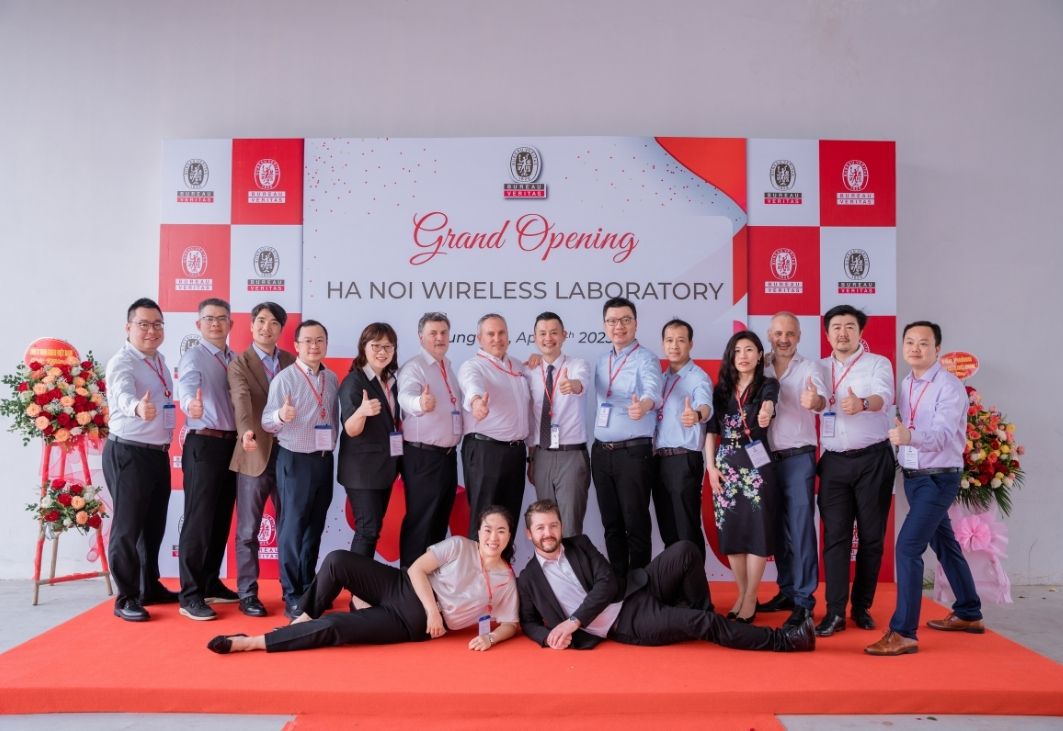
Core Benefits of Corporate Event Management:
– Strengthen Corporate Culture and Team Spirit:Internal events create shared experiences that help employees better understand the company’s vision and core values. This, in turn, fosters stronger engagement, unity, and motivation across the entire team.
– Enhance Credibility with Partners and Clients:A professionally organized event with well-executed planning demonstrates the company’s respect, reliability, and competence. This not only strengthens trust but also fosters long-term, sustainable relationships with partners and customers.
– Support Business Objectives: Events serve as powerful tools to launch new products, boost sales, build executive visibility, and expand market reach.
Common Types of Corporate Events
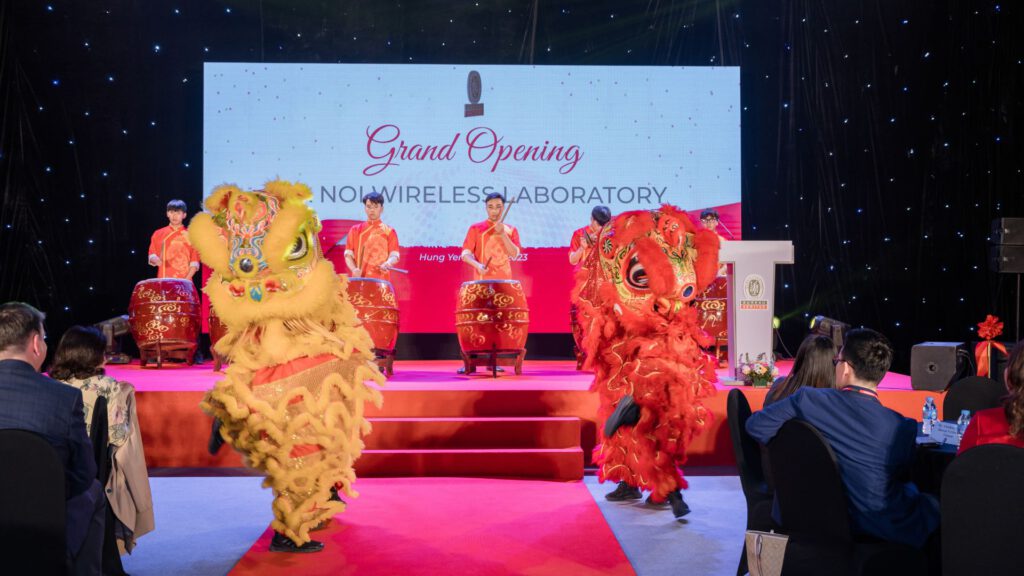
– Internal Events: Town Hall meetings, Kick-off ceremonies, Team Building programs, and Gala nights combined with employee recognition activities.
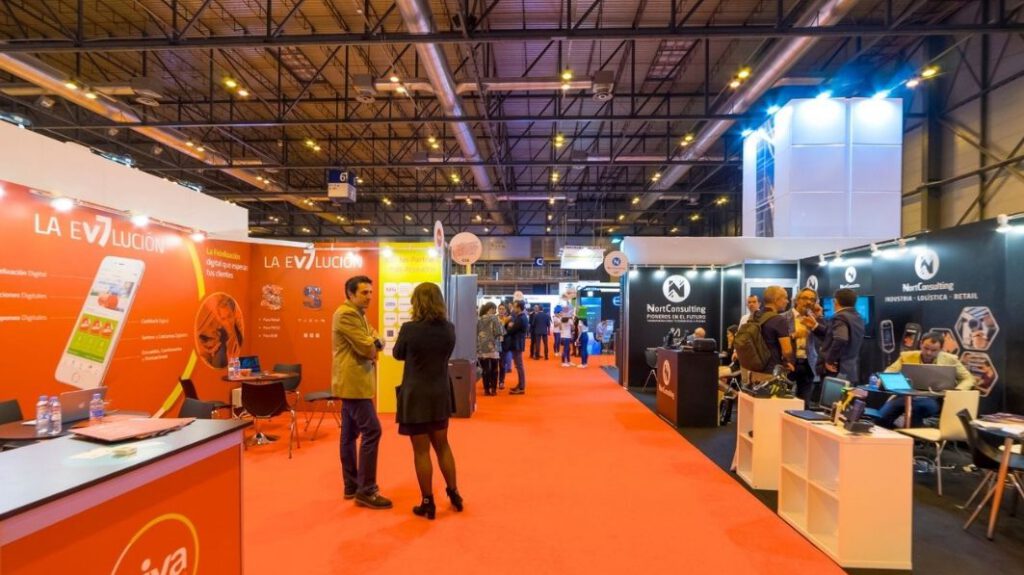
– External Events: Customer Conferences, Roadshows (mobile promotions), Press Conferences, and Mini Exhibitions.
– Strategic Events: Product/Service Launches, Partnership Signing Ceremonies, and Milestone Anniversary Celebrations
2. Corporate Event Planning Process from A to Z
A well-structured process is the key factor to ensuring that every event runs smoothly, effectively, and achieves its intended business objectives.
2.1 Define Objectives and KPIs
This is the very first and most crucial step. You need to clarify: What is the main purpose of the event — appreciation, recognition, inspiration, sales, or communication? What measurable KPIs need to be achieved — check-in rate, CSAT score, number of leads, or total sales generated?
2.2 Guest Persona Research
Understanding your guests is the key to creating relevant and engaging event content.
– Internal audience: Learn about their departments, roles, and generational traits to design activities that foster connection and teamwork.
– External audience: Analyze insights, expectations, and potential attendance barriers of agents, customers, and media partners to craft the most engaging and valuable experience possible.
2.3 Message & Concept Development
The event message should be concise, clear, and aligned with the overall objectives. The concept—built around that message—defines the event’s color palette, tone & mood, and storytelling arc, ensuring a consistent and immersive experience from start to finish.
2.4 Realistic Budget Planning
Budgeting is one of the most critical steps in corporate event management. The budget should cover key components such as venue & F&B, stage–sound–lighting, décor, staffing, photography/videography & livestream, communications, and a contingency fund of 5–10% to handle unexpected expenses.
2.5 Choosing the Right Venue
The venue should meet essential criteria such as capacity, ceiling height, parking availability, and VIP lounge options. It’s also crucial to assess technical factors like power supply, loading access, and sound regulations to ensure the event runs smoothly.
3. Key Professional Elements in Corporate Event Execution
4. Corporate Event Organization Costs
Understanding the cost structure helps you manage your budget effectively.
Main Cost Categories
– Venue & F&B: Rental fees for meeting rooms or ballrooms, set menu/buffet costs, beverages.
– Technical & Stage Setup: LED screen, sound and lighting systems, stage construction, backdrop design.
– Personnel & Performance: MC, band, entertainers, PGs, photography and videography teams.
– Decor & Collateral: Gallery tables, photobooth, standees, gifts.
– Media & Communications: Graphic design, motion graphics, livestream, post-production.
5. Creative Theme Ideas for Corporate Events
– Kick-off: Focused on growth goals and action plans.
– Awards Night: Celebrate achievements and share inspiring success stories.
– Product Launch: Showcase features, live demos, and encourage pre-orders.
– CSR Night: Highlight corporate social responsibility and community connection.
– Year-End Party: Summarize the year, strengthen bonds, and re-energize the team.
V-Lead Event – Your Trusted Partner in Creating Remarkable Corporate Experiences.

Organizing a corporate event requires time, effort, and a high level of professionalism. If your team lacks the necessary resources to handle everything in-house, partnering with a trusted agency like V-Lead Event is the most efficient solution. With extensive experience in managing hundreds of successful projects, we confidently deliver comprehensive and customized event solutions for every business.
At V-Lead Event, we are committed to providing end-to-end corporate event services — from conceptualization and creative design to on-site execution and post-event wrap-up. Customer satisfaction is always our top priority. We ensure that every event is not only successful and elegant but also leaves a lasting impression on your guests and partners.
Contact us today for professional consultation and a detailed quotation — together, let’s craft meaningful, memorable events that elevate your brand and strengthen your corporate image.