

In a context where consumers are increasingly focused on experiences rather than traditional advertising, experiential events have become an effective strategy for brands to build deeper connections with their customers. As a professional event management company, V-Lead Event would like to share 7 key steps to help you deliver a successful experiential event that meets objectives and leaves a strong, lasting impression.
1. What is an experiential event and why is it important?
Before diving into the implementation steps, let’s take a closer look with V-Lead Event at the concept and significance of this event model.
1.1 The concept of an “experiential event”
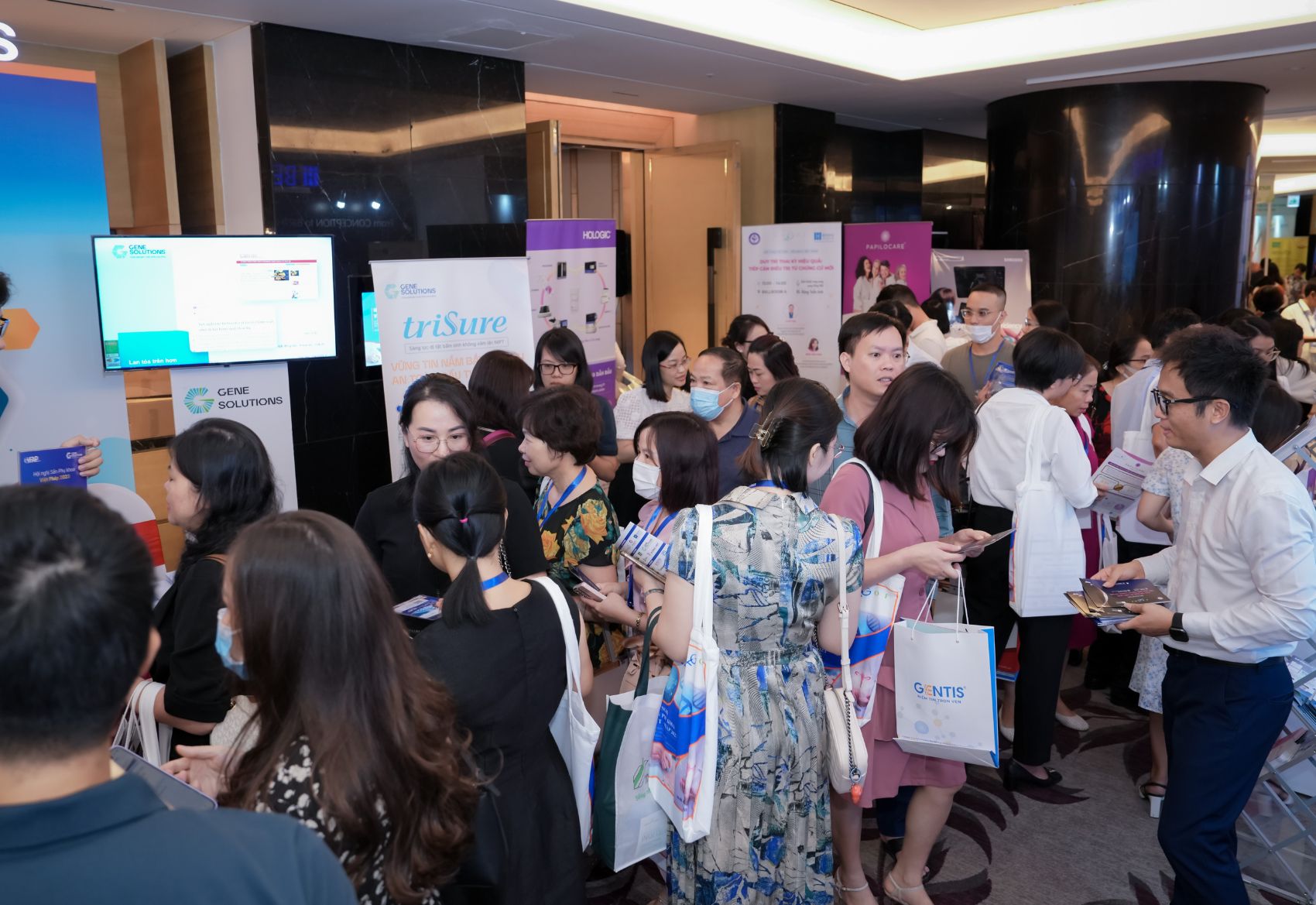
An experiential event is the design and execution of programs or activities in which participants can directly interact with, feel, and immerse themselves in a brand’s message or product through their senses and emotions. Instead of simply watching or listening, attendees are able to truly “live” the story that the brand wants to tell.
Example: Instead of simply displaying a new product, you invite customers to take part in a discovery journey—interacting with the product through virtual reality games, sensory challenges, or participating in creative workshops.
1.2 The importance in marketing and brand building
In an era of information overload, customers are seeking authenticity and emotional connection. Experiential events deliver:
– Strong emotional connection: Direct experiences create deeper memories and emotions than traditional advertising.
– Enhanced brand awareness: Unique experiences are easier to remember and share, helping the brand stand out.
– Viral content creation: Customers are excited to share their experiences on social media, generating powerful word-of-mouth effects.
– Community building and loyalty: These events help brands bond with customers, turning them into passionate advocates.
1.3 Benefits of organizing experiential events
Investing in experiential events brings clear benefits to businesses:
– Increased engagement: Customers actively participate instead of passively receiving information.
– Direct feedback collection: Opportunities to listen to customers’ opinions and feelings on the spot.
– Boosted sales: Positive experiences often lead to purchase or service usage decisions.
– Improved brand image: Demonstrates creativity, innovation, and genuine customer care.
Step 1: Define the objectives of the experiential event
This is the core foundation for any successful experiential event strategy.
2.1 Clear and measurable objectives
You need to answer the key question: What do you want this event to achieve?
– Marketing objectives: Increase brand awareness? Launch a new product? Attract potential customers? Generate leads? Boost sales?
– Brand objectives: Enhance brand image (modern, friendly, innovative)? Build customer loyalty?
– Educational / Inspirational objectives: Share knowledge? Change perceptions? Inspire action?
– Objectives should be Specific, Measurable, Achievable, Relevant, and Time-bound (SMART). This helps guide the entire experiential event planning and execution process.
2.2 Analyze the target audience
Understanding who your customers are, what they like, and what they expect is critical to designing a meaningful experience.
– Demographics: Age, gender, occupation, income level.
– Interests & behavior: What do they care about? Where do they spend their time? How do they interact on social media?
– Pain points & desires: What problems are they facing? What would excite and satisfy them?
– Segmentation: Are you aiming to attract new customers or reward existing ones?
In-depth audience analysis allows you to create an experiential event that truly connects with their emotions and needs.
Experiential events must place customers at the center. Therefore, correctly identifying the target audience directly impacts:\
– Event timing
– Suitable venue selection
– Communication and promotional approach
– Experiential content aligned with attendee psychology and behavior
An event designed for Gen Z will be very different from one aimed at middle-aged business professionals. Hence, thoroughly analyzing customer personas is essential to building the most realistic and impactful experience possible.
Step 2: Develop a unique idea and theme for the experiential event
This is the heart of experiential event planning, where creativity truly comes to life.
2.1 Spark creativity from the brand and objectives
The idea must reflect the brand identity and serve the defined objectives.
– Brand DNA: What are the brand’s characteristics, core values, and story? Turn these elements into sources of inspiration.
– Product/Service: What problem does your product solve? What benefits does it deliver? Transform these features into experiential activities.
– Alignment with objectives: If the goal is a new product launch, the idea should focus on hands-on trials or discovering the product’s unique features.
2.2 Create an impactful event concept and theme
The theme is the “red thread” running throughout the entire event.
– Unique and curiosity-driven: The theme must be distinctive and intriguing, encouraging customers to explore.
– Scalable and expandable: The theme should be broad enough to develop into experiential activities, spatial design, and communication materials.
Examples:
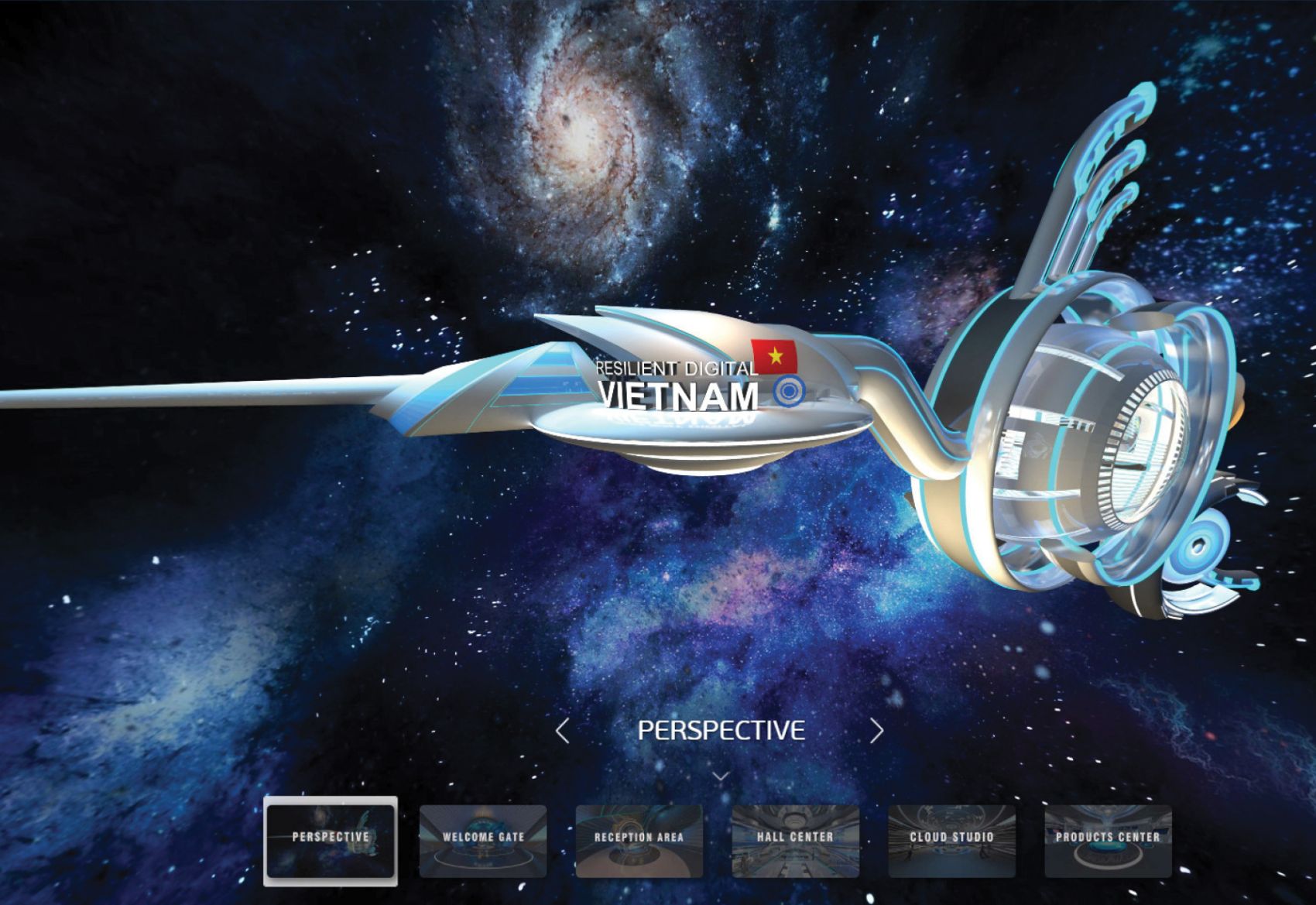
– “A Journey Through the Universe” for a technology product
– “Lost in Wonderland” for beauty and cosmetics brands
– “The Race to the Summit” for sports or wellness events
Step 3: Build a detailed experiential event plan
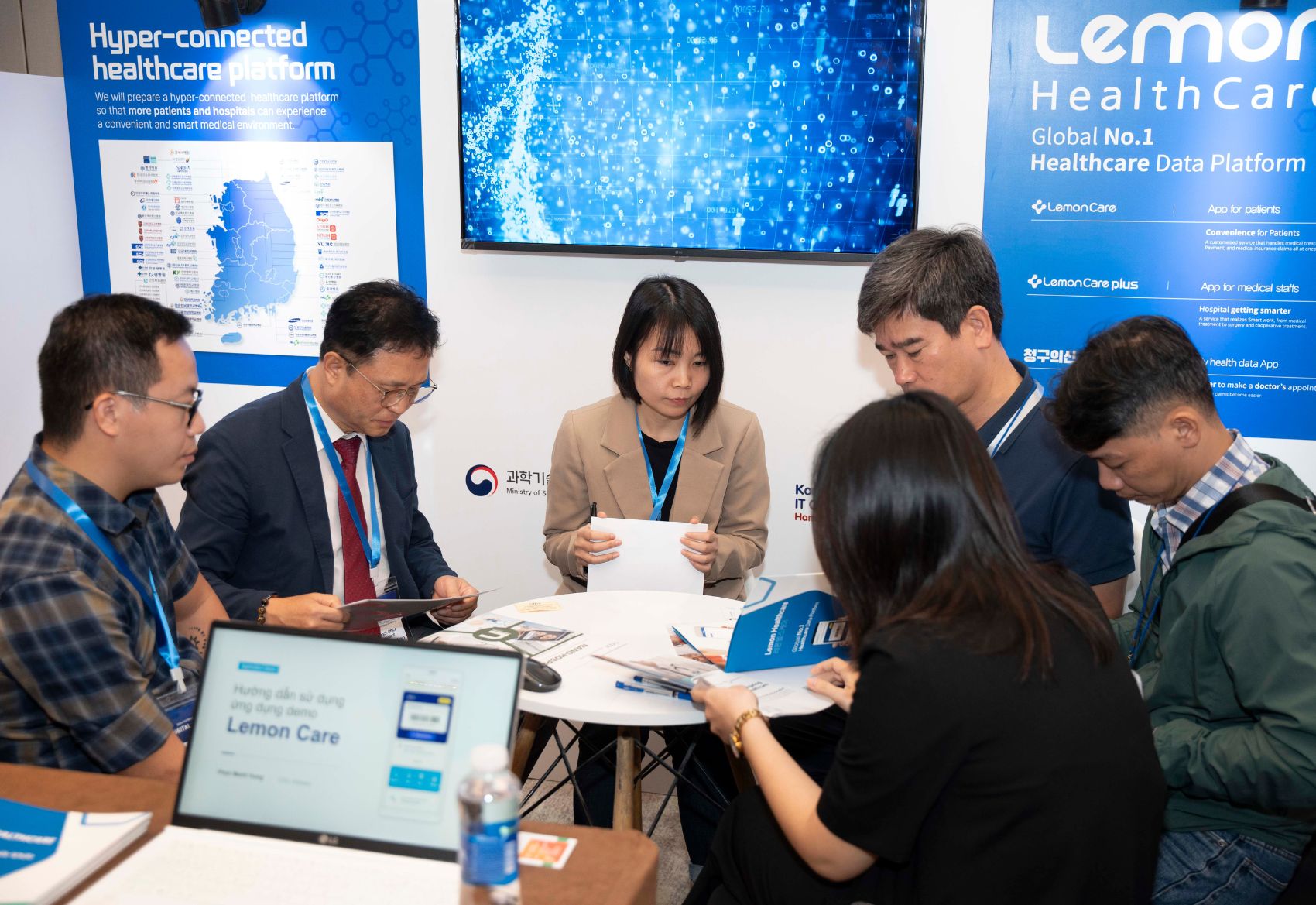
A detailed plan helps ensure progress stays on track, costs are optimized, and risks are addressed in a timely manner. At V-Lead Event, experiential event planning is typically structured into the following key categories:
– Specific task list by each phase
– Detailed timeline from pre-event to post-event
– Staff assignment
– Estimated budget
– Potential risks and contingency plans
3.1 Flexible and suitable venue selection
Theme alignment: If the theme is nature-inspired, outdoor spaces such as parks or eco-resorts are ideal. For technology-themed events, a modern venue with high adaptability is more suitable.
– Customization capability: Does the venue allow layout changes and installation of special equipment to create experiential zones?
– Facilities and safety: Ensure sufficient power supply, water, internet access, restrooms, and necessary security and medical measures.
– Accessibility: Convenient location with good transport links and parking availability for guests.
3.2 Experiential space design
Design is not just decoration—it is about creating an environment where customers can actively interact.
– Multi-sensory design: Use lighting, sound, scent, and material textures to stimulate the senses.
– Experience flow: Arrange activity zones in a logical sequence, guiding guests from one surprise to the next.
– Visual highlights: Art installations, unique check-in areas, and projection mapping effects.
– Interactive zones: Allocate sufficient space for games, workshops, and product trial areas.
Step 4: Integrating technology and the senses into experiential events
This is a key factor in creating a breakthrough, memorable experiential event.
Applying modern technologies
– Technology expands the boundaries of experience and enhances interactivity.
– Virtual Reality (VR) / Augmented Reality (AR): Immerse customers in a simulated world to explore your product/service, or add interactive layers of information to the real environment.
– Projection Mapping: Project 3D visuals onto architectural surfaces to create captivating visual effects.
– Holograms: Display floating 3D images in space.
– Sensors and interactive systems: Enable interaction through movement, voice, or touch.
– Interactive LED screen systems: Create games, polls, or interactive light shows.
– Multi-sensory activation

A truly profound experience engages all human senses.
– Visual: Colors, lighting, high-quality images and videos, and eye-catching designs.
– Auditory: Background music, sound effects, inspiring voices, and experiential audio or podcasts.
– Olfactory: Use signature scents (e.g. roasted coffee, ocean breeze, floral notes) to evoke brand memory or create a specific atmosphere.
– Gustatory: Food and beverages designed creatively, aligned with the theme, and delivering unexpected taste experiences.
– Tactile: Decorative materials with special textures and activities that require touch and physical interaction.
Step 5: Interactive scripting and a seamless experiential flow
A script is not just a list of activities—it is a story that guides customers through different emotional stages.
5.1 Highly interactive scripting
– Exploration spaces: Instead of a single main stage, create multiple “stations” or zones where guests can freely explore and interact with different activities.
– Challenges and rewards: Integrate mini-games or challenges with rewards (gifts, points, exclusive experience opportunities) to encourage participation.
– Personal creativity: Activities that allow guests to create something themselves (e.g. painting workshops, candle making, beverage mixing).
– Storytelling: The script should have a consistent narrative running throughout the event, guiding guests from start to finish and helping them build an emotional connection with the brand.
5.2 A continuous experiential flow
– Smooth transitions: Ensure activities move logically and naturally from one area to another, avoiding confusion or guests not knowing what to do next.
– Crowd management: For large-scale events, plan attendee flow carefully to prevent congestion and ensure everyone has the opportunity to participate.
– Support team: Arrange staff to guide guests, answer questions, and provide assistance throughout the entire experience.
Step 6: Communication plan before, during, and after the experiential event
A great event needs effective communication to attract participants and maximize its impact.
6.1 Pre-event communication to spark curiosity
– Create mystery: Use teaser campaigns on social media and email marketing to arouse curiosity about the event without revealing too many details.
– Registration platform: Build a user-friendly landing page or registration system that provides essential information and collects customer data.
– Encourage interaction: Organize online mini-games or contests related to the event theme to increase attention and engagement.
– Public relations (PR): Send press releases to reputable media outlets if the event has a large scale or a strong message.
6.2 Interaction and amplification during the event
– Event hashtag: Encourage attendees to use a dedicated event hashtag when sharing content on social media.
– Unique check-in areas: Design impressive photobooths or photo corners to motivate guests to take photos and share them online.
– Interactive display screens: Live-display social media posts that use the event hashtag on large screens.
– Livestreaming: Broadcast key moments live on social platforms to engage remote audiences.
6.3 Sustaining impact after the event
– Recap content: Share high-quality photos and videos, highlight articles, and positive feedback from participants.
– Remarketing: Use the collected customer data to run remarketing campaigns and nurture potential leads.
– Maintain engagement: Send thank-you emails and invite participants to join online communities or upcoming events.
Step 7: Measure effectiveness and optimize future experiential events
To continuously deliver effective experiential events, measurement and evaluation are essential.
7.1 Key performance metrics
– Number of attendees: How many people checked in and participated in the event?
– Level of engagement: How many social media shares were generated? How many hashtag mentions? How many participants joined games or activities?
– Customer feedback: Customer satisfaction levels and comments on their experience. Feedback can be collected via surveys or applications.
– Brand impact metrics: How much did brand awareness increase? What about brand favorability and perception?
– Business metrics: How many leads were generated? How many orders resulted? What was the conversion rate?
– ROI (Return on Investment): Compare total costs with the benefits and value gained from the event.
7.2 Collect feedback and make improvements
– Post-event surveys: Use online or on-site survey tools to gather customer opinions and insights.
– Data analysis: Evaluate collected metrics to identify strengths and weaknesses of the event.
Internal review meetings:
Hold debrief sessions with the internal team and partners to analyze outcomes and draw lessons for future experiential event campaigns.
Comprehensive reporting:
Compile all data and analysis into a final report to assess overall success.
V-Lead Event: Your professional experiential event partner
Organizing experiential events is a journey that requires creativity, professionalism, and comprehensive management. To turn ideas into reality, attract customers, and create sustainable brand value, partnering with a reputable event organizer is essential.
V-Lead Event is proud to be a professional event organization company with extensive experience in creating unique and impactful experiential events. We understand that every brand has its own story, and we are committed to helping you tell that story in a vivid and emotionally engaging way.
With a creative team that continuously updates trends and adopts new technologies, V-Lead Event accompanies you from the ideation stage to the successful completion of the event. We provide end-to-end solutions, including:
– Consultation and concept development: Creating unique concepts aligned with your objectives and target audience.
– Space design and experiential effects: Transforming venues into immersive, multi-sensory experience worlds.
– Technology integration: Applying advanced technological solutions to enhance interaction and engagement.
– Professional management and operations: Ensuring smooth, safe, and well-executed events according to plan.
– Measurement and performance reporting: Delivering clear data to help you evaluate your investment value.
Let V-Lead Event help you organize a successful experiential event that attracts customers and leaves a powerful brand impression. Contact us today for consultation and a tailored solution for your upcoming campaign.