

Green Event is no longer a temporary trend but has become a new standard in the global event industry. As public awareness of environmental protection continues to grow, businesses are increasingly shifting toward sustainable solutions to demonstrate social responsibility while creating lasting impressions on their audiences. A truly effective Green Event requires careful planning at every stage, from concept development and material selection to post-event waste management and processing.
1. Understanding the Concept of Green Events in the Modern Era
To successfully implement a Green Event, event organizers must first gain a clear understanding of the core principles of sustainable events. A Green Event refers to an event organized with the goal of minimizing negative impacts on the natural environment to the greatest extent possible. This includes conserving energy, reducing plastic waste, prioritizing locally sourced food, and optimizing transportation and logistics.

1.1. Core Objectives of Green Events
The primary objective of a Green Event is to create a closed-loop event lifecycle. Instead of using single-use materials that are discarded after the event, organizers prioritize recyclable or biodegradable solutions. In addition, delivering environmental protection messages to participants is an essential component in the structure of a sustainable event.
1.2. Benefits of Adopting Green Event Models for Businesses
Implementing the Green Event model provides significant competitive advantages for businesses. From a branding perspective, it helps organizations demonstrate their human-centered values and long-term vision. From an economic standpoint, although the initial investment in sustainable materials may be higher, reducing unnecessary materials and optimizing operational processes can lead to substantial cost savings in the long term.
2. Key Criteria of a Green Event
To evaluate the success of a sustainable event, organizers must rely on clearly defined standards. A Green Event is not simply about placing a few decorative plants; rather, it represents a comprehensive resource management system. These criteria enable businesses to monitor and control their environmental impact from the preparation phase through to the conclusion of the event.
2.1 Optimizing Materials and Minimizing Waste in Green Events
Waste management has always been one of the major challenges of traditional events. In the Green Event model, controlling input materials is a key factor in reducing pressure on waste treatment systems later on.
Recyclable or Reusable Materials:
Instead of using synthetic plastics, organizers prioritize recycled paper for name badges, agendas, and printed materials, as well as natural fabrics for decoration. After the event concludes, these materials can be repurposed or processed through professional recycling systems.
Limiting Single-Use Plastics:
This is a mandatory standard. Plastic water bottles, straws, and plastic bags are replaced with centralized water stations, glassware, or products made from bamboo or wood. This practice can reduce thousands of units of plastic waste generated during each event day.
Modular Booth and Backdrop Design for Reuse:
Rather than constructing wooden frames and applying hiflex (a material that is extremely difficult to decompose), Green Event specialists prioritize modular aluminum frames combined with LED screens or dye-sublimation printed fabrics. These structures can be easily dismantled and reused for multiple events, optimizing both cost and material usage.
2.2 Efficient Energy Use in Green Events
Energy conservation not only reduces operational costs but also directly lowers CO₂ emissions into the atmosphere. A well-designed Green Event makes smart use of natural resources.
Utilizing Natural Lighting:
Priority should be given to venues with large glass windows, skylights, or outdoor daytime settings. This approach can reduce 50–70% of electricity consumption for lighting systems while creating a more open and comfortable environment for participants.
Using Energy-Efficient Equipment:
From sound and lighting systems to presentation equipment, all devices should utilize LED technology and energy-certified solutions. Maintaining air-conditioning temperatures at moderate levels (25–26°C) is also an effective way to support green standards.
Minimizing the Use of Generators:
Diesel-powered generators are significant sources of noise and air pollution. In a Green Event, organizers prioritize connecting directly to the local power grid or using clean energy storage systems to ensure operational stability without harming the environment..
2.3 Waste Management in Green Events
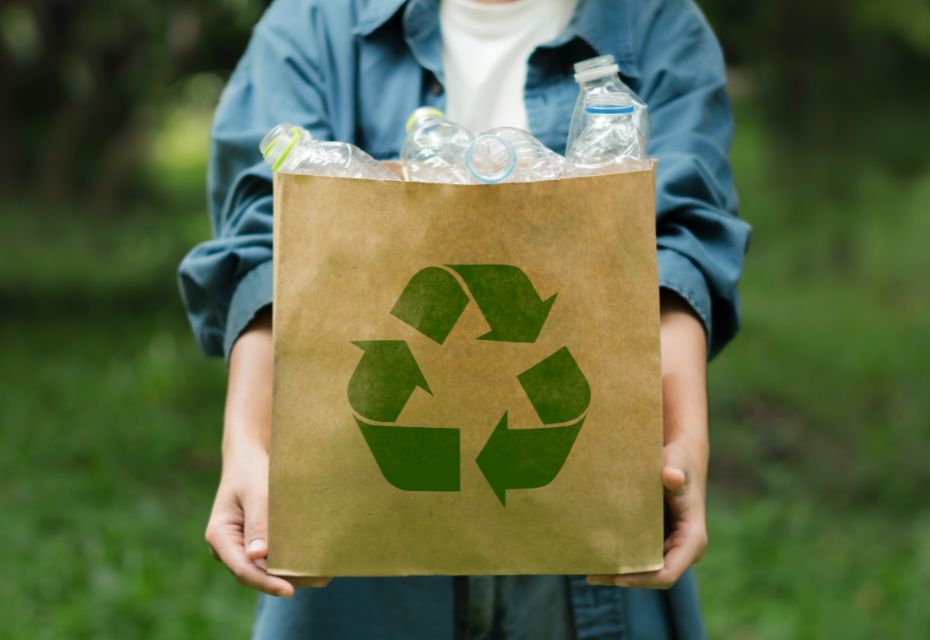
The post-event phase is often when the most issues arise. Waste management in a Green Event requires close coordination among organizers, contractors, and even participants.
On-site Waste Segregation:
At the event venue, waste bins are clearly designed and labeled (Recyclable Waste, Organic Waste, Non-Recyclable Waste). Providing clear guidance for participants to sort waste on-site helps streamline the post-event treatment process, ensuring efficiency in line with the principles of a Green Event.
Collaboration with Professional Waste Management Units:
V-Lead often partners with urban environmental service providers and recycling organizations to ensure that post-event waste is not simply transferred to landfill sites but is processed through proper scientific waste management systems
Minimizing Single-Use Items:
From gifts and dining utensils to technical support materials, the “Zero Waste” principle is always prioritized. A well-executed Green Event leverages digital solutions to replace traditional paper-based materials, creating a modern and sustainable working environment.
3. Effective Green Event Implementation Process
For sustainability to go beyond slogans, organizers must follow a structured implementation roadmap. The process of organizing a Green Event requires a shift in mindset from the earliest planning stages until the last participant leaves the venue.
3.1 Planning a Green Event from the Initial Stage
The success of a Green Event is determined from the very beginning—starting with the first concept outline. Without clear direction at the outset, applying green solutions later often leads to inefficiency, increased costs, and lack of consistency.
Defining Sustainability Objectives:
Organizers should establish specific sustainability KPIs for the Green Event, such as reducing plastic waste by 80%, sourcing 100% locally produced food, or achieving carbon neutrality. Clearly defined goals ensure that all operational teams move in the same direction.
Selecting an Appropriate Venue:
An ideal Green Event venue should possess recognized green building certifications (such as LEED) and be located near public transportation hubs to facilitate convenient travel for participants. Priority should be given to open-space designs that reduce reliance on air-conditioning systems and maximize natural daylight.
Developing Environmental Impact Mitigation Plans:
The event plan should include an environmental impact assessment section. This involves estimating expected energy consumption, projected waste volume, and establishing contingency measures to manage these impacts effectively.
3.2 Designing Green Event Experiences for Participants
Participant experience is the “soul” of any event. In a Green Event, every touchpoint should communicate respect for the environment, allowing participants to feel that they are part of a meaningful sustainability initiative.

Using E-Tickets Instead of Paper Tickets:
Digitizing the entire registration, ticketing, and documentation process not only modernizes the Green Event but also eliminates unnecessary printing. QR codes and electronic ticket systems enable faster, more professional, and environmentally friendly check-in processes.
Integrating CSR Activities such as Tree Planting and Recycling:
To enhance engagement, Green Events can incorporate Corporate Social Responsibility (CSR) activities. For example, each participant may contribute to a tree-planting fund or take part in plastic recycling workshops held within designated event areas.
Designing Environmental Education Experience Zones
Instead of traditional promotional booths, the Green Event space can be transformed into a mini exhibition promoting sustainable lifestyles. Informational panels about product life cycles or models of clean energy solutions can create strong impressions and enhance environmental awareness among participants.
3.3 Implementing and Monitoring Green Events On-site
The execution stage is when green standards are tested in real-life conditions. Close supervision ensures that all commitments outlined in the Green Event plan are fully implemented.
Controlling Vendors Based on Green Standards:
V-Lead prioritizes collaboration with partners who share the same sustainability mindset. From catering providers to equipment rental companies, all vendors are required to commit to reducing plastic use and conserving energy throughout the duration of the Green Event.
Monitoring Material Usage:
The coordination team must closely monitor the amount of materials used on-site. Maximizing the use of existing structures and limiting excessive decorative items helps create a refined, organized Green Event space while avoiding unnecessary resource waste.
Ensuring Proper Waste Segregation Procedures:
Beyond simply placing categorized waste bins, the Green Event organizing team should assign staff to guide and supervise waste disposal at designated stations. This ensures recyclable waste is not mixed with organic waste, enabling efficient collection and post-event processing.
4. Technology Trends Supporting Green Events
Technology plays a vital role as a “right-hand tool” that makes environmentally friendly event management more efficient and professional.
4.1 Online and Hybrid Events – The Peak of Green Event Solutions
Combining in-person and virtual event formats significantly reduces long-distance travel, thereby lowering carbon emissions. This approach is considered one of the most effective Green Event solutions for international conferences or large-scale press events.
4.2 Paperless Event Management Applications
Using event applications for check-in, program distribution, and interactive Q&A eliminates the need for printed materials entirely. This technology not only makes Green Events cleaner but also enables organizers to collect participant data accurately and systematically.
5. Creative Green Event Ideas for Businesses
Creativity is the key to transforming rigid environmental regulations into inspiring experiences. A successful Green Event is not only about reducing waste but also about recreating new values, allowing corporate brands to shine with meaningful social impact.
5.1 Green Events Integrated with CSR (Corporate Social Responsibility) Activities
Integrating community activities into events multiplies the positive impact. When participants feel their presence directly contributes to environmental improvement, their engagement with the brand significantly increases.
Organizing Tree-Planting Events:
Instead of hosting events solely in enclosed venues, companies can organize Green Events in open spaces or combine them with tree-planting campaigns. This is one of the most direct ways to offset carbon emissions generated by the event.
Linking Each Ticket to an Environmental Action:
An effective idea is to convert each participant check-in into a tangible environmental contribution (for example: one ticket equals one tree planted or one kilogram of ocean waste collected). This allows attendees to feel proud of their meaningful participation in the Green Event.
Donating to Environmental Funds:
Revenue generated from ticket sales or auctions during the event can be donated directly to reputable environmental conservation organizations. V-Lead believes that a Green Event built on the spirit of sharing leaves a lasting positive impression on the public.
5.2 Zero Waste Green Events
The Zero Waste challenge is one of the clearest demonstrations of a company’s professional event management capability. At this stage, the goal of a Green Event is to ensure that no materials are sent to landfill sites after the event concludes.
Eliminating Plastic Water Bottles
Single-use plastic bottles should be completely replaced with modern Water Stations. At a Green Event, participants are served drinking water in elegant glassware or reusable metal bottles, ensuring both sustainability and a premium guest experience.
Encouraging Participants to Bring Personal Bottles
Companies can communicate the message “Bring Your Own Bottle” prior to the event. To encourage participation, Green Events may offer vouchers or small gifts to guests who follow this environmentally friendly practice.
Using Compostable Materials
For events that include catering services, using trays, spoons, and forks made from sugarcane bagasse, plantation wood, or palm leaves is a smart solution. After the Green Event, these materials can be composted into organic fertilizer, returning nutrients back to the soil.
5.3 Green Events Empowered by Technology
In the digital era, technology serves as a powerful enabler that makes sustainable event organization more streamlined and sophisticated than ever before.
QR Code Check-in:
This method eliminates printed guest lists and bulky plastic badges. With a simple scan on their smartphones, participants can complete check-in quickly, enabling smoother and more modern operational workflows for the Green Event.
Digital Materials Instead of Printed Brochures:
All product information, event maps, and company profiles can be integrated into a single QR code. Participants can store information directly on their mobile devices, preventing thousands of printed catalogues from being discarded after the event.
Event Apps Replacing Printed Materials:
A dedicated event application can integrate schedules, seating maps, and live Q&A functions with speakers. Digitizing the entire event experience not only demonstrates the company’s technological capabilities but also positions the Green Event as a sustainable model in the Industry 4.0 era.
6. Challenges in Implementing Green Events
Although Green Events provide significant branding and environmental benefits, transitioning to this model is not always straightforward. Event organizers and businesses must be prepared to address challenges related to resources and public behavior.
6.1 Initial Costs of Green Events
One common misconception is that organizing Green Events immediately reduces costs. In reality, during the transition phase, the budget required for a Green Event is often higher than that of traditional events.
Changing Supplier Systems:
Suppliers of recycled materials, locally sourced organic food, or professional waste management services often charge higher fees due to stricter production standards. Businesses adopting Green Events need to allocate time and budget to screen and establish reliable partner networks.
Investment in Technology and Alternative Materials:
Replacing low-cost hiflex banners with LED screens or substituting plastic bags with canvas bags requires higher initial investment. However, in the long term, these materials can be reused multiple times, helping optimize budgets for future Green Event series.
More Complex Organizational Processes:
Strict monitoring of every operational stage to meet sustainability standards requires skilled personnel and longer preparation time, which may slightly increase labor costs.
6.2 Participant Awareness in Green Events
Human behavior is often the most unpredictable factor in any event. The success of a Green Event largely depends on the cooperation and awareness of participants.
Behavioral Change Does Not Happen Instantly:
Not all participants are ready to give up the convenience of single-use plastic bottles or printed brochures. Without proper preparation, attendees may feel inconvenienced when required to bring personal bottles or interact frequently with digital applications.
The Need for Clear Pre-Event Communication Strategies:
To overcome this barrier, companies should implement awareness campaigns 2–4 weeks before the Green Event. Explaining the reasons behind sustainability measures and the value participants contribute helps foster pride and willingness to cooperate.
Generational Barriers:
For older participants or those less familiar with technology, fully digital processes may present challenges. Therefore, organizers should deploy dedicated technical support teams on-site to ensure that sustainability messages are effectively delivered to all participants
7. Measuring the Effectiveness of a Green Event
After the event concludes, businesses should rely on measurable data to evaluate environmental performance.
7.1 Carbon Reduction Indicators
Based on energy consumption and waste output data, organizers can calculate the amount of carbon emissions reduced compared to traditional events. This report is an important document for shareholders and partners in sustainable development strategies.
7.2 Participant Feedback and Behavioral Change
The success of a Green Event is also reflected in participant satisfaction and positive behavioral changes after the event. Positive feedback on the thoughtful implementation of sustainable practices is one of the greatest rewards for the brand.
V-Lead Event: Your Partner in Creating Green Events
At V-Lead Event, we understand that every event is a statement of a company’s brand and position. With extensive experience in professional event management, V-Lead is committed to delivering comprehensive Green Event solutions, from consulting on sustainable materials to implementing resource-efficient operational processes.
We do more than organize events — we collaborate with you to build a greener future. V-Lead prioritizes working with local suppliers, premium recycled materials, and modern management technologies to ensure every event meets environmental standards while maintaining elegance and sophistication. If you are seeking a capable and trustworthy partner to bring your Green Event ideas to life, V-Lead is your reliable companion.