

Organizing a press conference is not simply about inviting the media and reading out a press release. It is an opportunity for a business, organization, or individual to demonstrate professionalism in front of the public and the media. A successful press conference can effectively spread key messages, attract public attention, and shape the way audiences perceive a brand. However, if mistakes occur, the damage goes beyond financial loss and can have a long-term impact on brand reputation.

Below are some common mistakes that businesses often make when organizing press conferences, along with practical solutions based on the experience of V-Lead Event.
1. The Importance of Organizing a Professional Press Conference
Organizing a professional press conference is not merely a procedural step; it is a key communication strategy that delivers substantial benefits to a business.
1.1 Delivering Accurate and Effective Messages
Information control: A press conference serves as an official channel that enables a company to proactively communicate its intended messages, ensuring accuracy and consistency. This helps minimize misunderstandings or misinformation that may arise through other communication channels.
Diverse outreach: A press conference that attracts journalists from various media outlets allows your message to reach a wide range of audiences, expanding its overall impact.
1.2 Building Credibility and Brand Image
Professionalism: A well-organized press conference demonstrates a company’s professionalism, transparency, and seriousness in communicating with the public and the media.
Credibility: When a company is willing to engage in direct dialogue and respond to questions clearly and openly, it strengthens trust and enhances its credibility in the eyes of journalists and the public.
2. Common Mistakes in Organizing Press Conferences and How to Avoid Them
2.1 Mistakes in the Press Conference Planning Stage
– Unclear objectives and messages: Organizing a press conference simply because it “needs to be done,” without defining specific goals (e.g., launching a new product, addressing a crisis, announcing a strategic change). The message may be scattered, unfocused, or overloaded with too many points in a single session.
Consequences: Journalists may fail to grasp the key information, resulting in diluted articles that do not achieve the intended communication objectives.
Solution: Before starting, clearly answer the following questions: What is the main objective of this press conference? Who is the primary media target? What is the most important message to deliver (limit it to 1–2 core messages)?
– Choosing the wrong timing and venue: Scheduling the event at the same time as other major events, public holidays, or inconvenient hours for journalists. Selecting a venue that is too far away, difficult to locate, lacking adequate facilities, or unsuitable for the scale and nature of the press conference.
Consequences: Low media attendance, reduced visibility, and an unprofessional event setting.
Solutions:
Timing: Avoid rush-hour traffic (especially in Hanoi) and clashes with other major events. It is best to schedule the press conference midweek (Tuesday to Thursday), in the morning (around 9:00–11:00 AM), so journalists have enough time to write and publish their articles.
Venue: Choose a location that is easily accessible, offers sufficient parking, provides a quiet and spacious environment, and is equipped with essential technical facilities (electricity, high-speed internet, air conditioning). The venue should align with the brand image and the nature of the press conference (e.g., a luxurious setting for a premium product launch, or a simple yet convenient space for crisis communication).
Unrealistic or poorly detailed budgeting: Setting a budget that is too low to cover essential items, or failing to prepare a detailed cost breakdown, which leads to continuous unexpected expenses.
Consequences: The overall quality of the press conference may suffer due to insufficient equipment, staffing, or costs exceeding the original budget.
Solution: Prepare a detailed cost estimate for every item involved in organizing the press conference (venue rental, sound and lighting, decoration, staffing, press materials, media gifts, etc.). Always allocate a contingency fund (10–15% of the total budget) to cover unforeseen expenses.
Lack of contingency planning: Not having a backup plan for unexpected situations (e.g., power outages, technical failures, speaker absence, bad weather for outdoor events, difficult questions from journalists).
Consequences: The press conference may be disrupted, lose control, and create an unprofessional impression.
Solution: Develop contingency scenarios for potential risks and ensure that all staff members clearly understand their roles in each situation.
2.2 Mistakes in the Preparation and Logistics Stage of a Press Conference
The preparation stage is when everything takes shape. Any mistakes made at this point will become clearly visible on the event day.
– Unoptimized guest and media list: Sending invitations indiscriminately without proper selection, or overlooking key journalists and major media outlets. Invitations may lack essential information or be sent too close to the event date.
Consequences: Low media attendance, failure to reach the right target audience, and wasted organizational costs.
Solution: Develop a carefully curated guest list (journalists, editors, KOLs), prioritizing influential media outlets relevant to the industry. Send invitations early (at least 1–2 weeks in advance) and provide complete information (time, venue, key content, contact person).
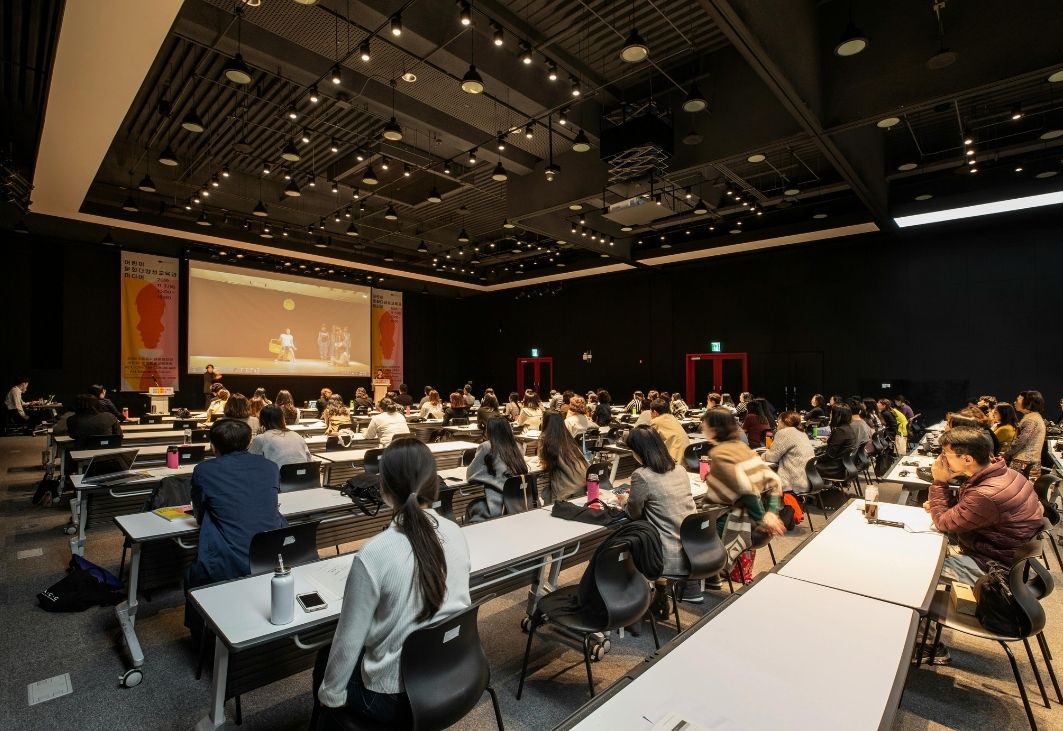
– Unprofessional content and press materials: The press release is lengthy, unclear, and lacks key highlights. Presentation slides contain too much text, and visuals are of poor quality. Supporting materials (factsheets, product brochures) are missing.
Consequences: Journalists struggle to capture the key information, lack reference materials, and may produce inaccurate or less engaging articles.
Solution:
Press release: Keep it concise and focused, clearly highlighting the main message.
Presentation slides: Make them visually engaging, with minimal text and high-quality images/graphics.
Press Kit: Prepare a complete media kit (press release, factsheet, high-quality images/videos, brochure, spokesperson’s business card).
Unreliable technical system: Poor sound quality, blurry projected images, malfunctioning microphones, weak internet connection, or non-functioning air conditioning.
Consequences: The press conference may be disrupted, causing discomfort for attendees and reflecting a lack of professionalism.
Solution: Work with reputable equipment suppliers. Thoroughly test the sound system, lighting, screens, and internet connection before the event. Ensure technicians are on standby to handle any issues immediately. This is one of the most common mistakes in organizing press conferences.
– Poorly prepared press conference setup: Blurry backdrop, partially covered logos, poorly arranged seating, lack of water, pens, or notepads for journalists.
Consequences: Negative impact on the event’s image and inconvenience for attendees.
Solution: Carefully check all decoration details, provide water bottles, cups, pens, and notepads on each table. Ensure the brand logo is clearly visible on the backdrop at all times.
2.3 Mistakes During the Execution of a Press Conference
The event day is when all preparation is put to the test. Operational mistakes at this stage can undermine the entire press conference.
– Poor time management: Speeches that are too long, overly extended Q&A sessions, or overlapping program segments.
Consequences: The agenda is disrupted, journalists lose patience, and their schedules are affected.
Solution: Assign a dedicated timekeeper (usually the MC or project manager) to strictly manage each segment. Speakers should be clearly briefed on their allocated time and reminded when necessary.
– Weak public speaking and Q&A skills: The spokesperson is not well-prepared, speaks hesitantly, or provides evasive or unclear answers to sensitive questions.
Consequences: Loss of trust, an impression of unprofessionalism, and potential negative media coverage.
Solution: The spokesperson should receive proper public speaking training, rehearse key messages, and practice responding to difficult questions. Always maintain a calm, confident, and transparent attitude.
– Ineffective on-site crisis handling: When faced with difficult questions or unexpected situations (e.g., a journalist asking an inappropriate or off-limit question), the organizing team reacts awkwardly, defensively, or lacks an authorized representative to respond.
Consequences: A crisis may escalate on the spot and spread quickly on social media.
Solution: Have a small crisis management team on standby. Prepare response scenarios for challenging questions in advance. Maintain professionalism, composure, and avoid confrontational arguments
– Lack of interaction and engagement: The press conference becomes a one-way communication session (only speeches), with limited or ineffective Q&A opportunities, and no space for journalists to interact with speakers after the main program.
Consequences: Journalists may feel overlooked and have difficulty gathering additional information.
Solution: Allocate sufficient time for Q&A. After the formal session, create opportunities for one-on-one interviews and networking, including exchanging business cards to build long-term media relationships.
2.4 Post–Press Conference Mistakes
– Failure to monitor and evaluate media effectiveness: Not compiling media coverage, failing to measure reach and impact, or neglecting to analyze public reactions.
Consequences: There is no clear understanding of whether the press conference was successful, and no solid basis for improvement in future events.
Solution: Monitor and collect all related news articles, reports, and social media discussions about the press conference. Analyze the content and tone of media coverage as well as public sentiment to assess overall effectiveness.

– Neglecting ongoing media relationship management: Only contacting journalists when there is an immediate need.
Consequences: Weak relationships with the media, making it more difficult to gain support when necessary.
Solution: Send thank-you emails after the press conference. Maintain regular communication (not only when organizing events) and build strong personal relationships with key journalists.
As a full-service event agency, V-Lead Event understands every critical step in the press conference organization process – from concept development and script design to media invitations, on-site coordination, and post-event performance measurement.
We have partnered with numerous businesses for product launches, partnership announcements, grand openings, crisis communications, and more—always prioritizing meticulous execution and alignment with strategic communication objectives.
If you are planning a press conference and need a professional team, let V-Lead Event support you from A to Z.
With V-Lead Event, you will receive:
– A team that thoroughly understands the rules and standards of organizing press conferences, from script development to media communication protocols.
– A well-structured process designed to minimize errors at every stage, from planning and execution to post-event reporting.
– An experienced team ready to handle any situation, ensuring your press conference stays aligned with the intended direction.
– Strong relationships with various media outlets, helping your message reach the right audience effectively.
– Smart budget management, ensuring every investment in your press conference delivers proportional value.
Let V-Lead Event accompany you in organizing a successful press conference—turning your corporate messages into a lasting impact on the public. Contact us today for professional consultation and tailored solutions for your upcoming press conference.